
Our Founder’s Story

Michael Bernstein has spent his entire career solving problems most people never see.
As a college student given only $1,000 to last four years, Michael had no safety net and no days off. To survive, he built a sweater business from scratch, negotiating directly with his uncle, who owned one of the largest U.S. sweater mills. With no family discounts and a one-time credit, Michael would buy closeouts at full price and resell them on campus. He struck a deal with the Dean for premium selling space, expanded to 20 colleges across the East Coast, and became the mill’s largest buyer—all while attending classes. By senior year, he had generated more than a million dollars in sales and graduated able to buy his first car in cash. That relentless resourcefulness carried into his career, where he rose to senior roles in a $2.5B apparel company and later invented the MRI-safe, metal-free plastic snap that transformed hospital gowns and has now been used in over 30 million gowns worldwide.
.
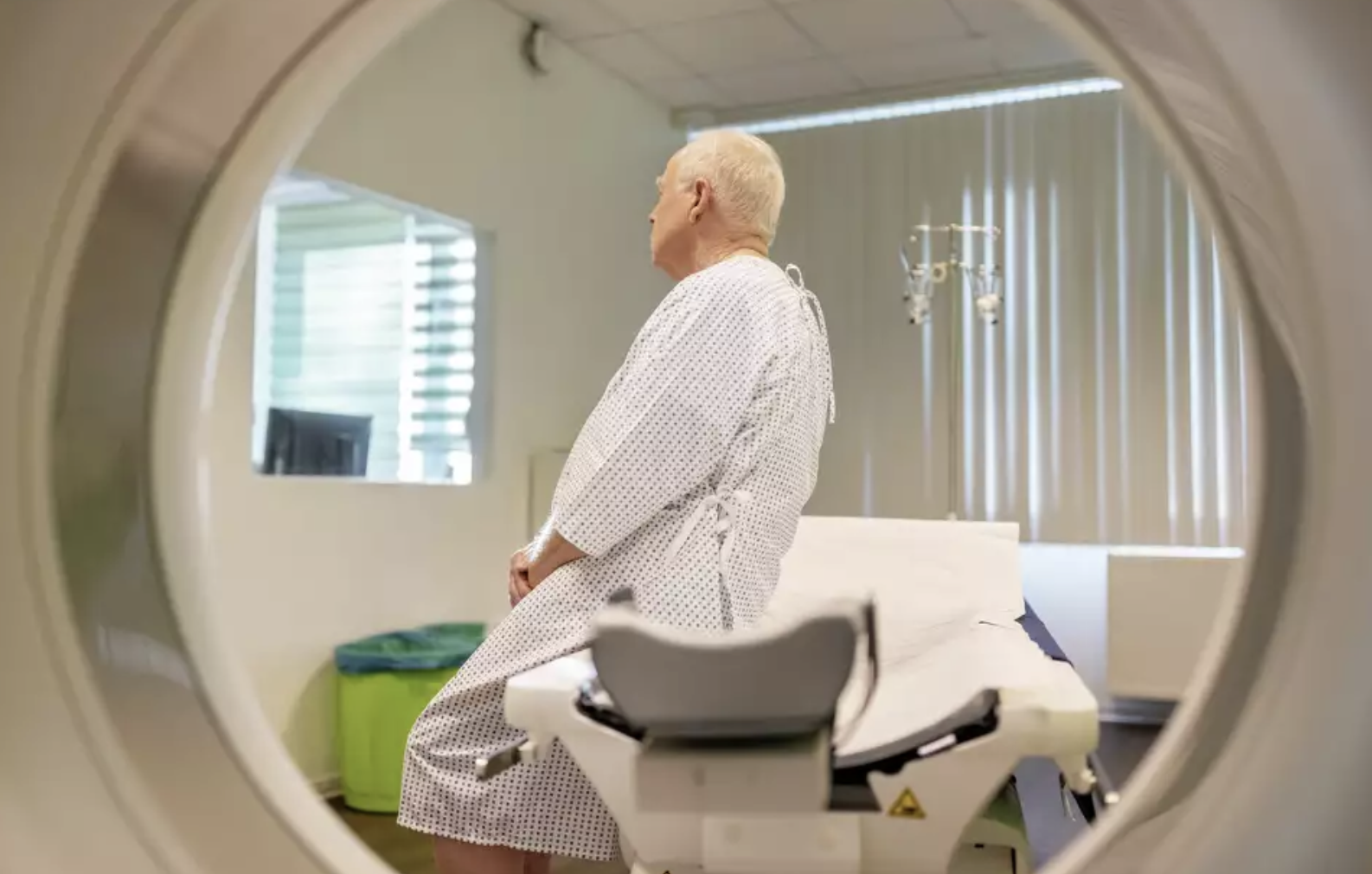
Early on, he developed a small but revolutionary innovation in healthcare: an MRI-safe, metal-free plastic snap for hospital gowns. It seems like a minor detail — until you learn it’s now been used in over 30 million gowns worldwide, changing how hospitals think about safety, laundering, and patient dignity. That experience taught him something essential: the right material, used in the right place, can disrupt an entire institution.
Years later, while touring a sustainable brewery, Michael noticed something that didn’t match the marketing. Beneath all the environmentally friendly messaging sat hundreds of virgin-wood pallets — the backbone of the operation and a major driver of deforestation. At that moment, the problem crystallized: sustainability messaging meant nothing if the infrastructure underneath it was still destroying forests.
This sparked a new question:
What if the materials we throw away could replace the materials we’re overusing?
That insight led Michael to apparel waste — a global problem he knew intimately from decades in the textile industry. Denim scraps, cotton remnants, and discarded clothing are burned or buried by the millions of tons each year. If textile waste could be re-engineered into a strong, injection-molded material, it could become the base of products that currently rely on wood or virgin plastic.
This wasn’t recycling.
This was redesigning waste into something new.
The Problem


Two massive and seemingly unrelated issues collide:
Apparel Waste:
Denim and cotton textiles are notoriously hard to recycle. Most post-consumer clothing ends up incinerated or landfilled because traditional recycling methods can’t turn old garments into new garments at scale.Wooden Pallets:
The global supply chain depends on wood — millions of pallets that warp, break, splinter, and require constant replacement. Some major industries consume the equivalent of a forest a day just to ship products.
Both systems create enormous waste.
Both are expensive to maintain.
Both rely on outdated materials.
And both, as Michael realized, could be solved with the same idea.


The Solution
Michael developed a new polymer composite that blends recycled HDPE with engineered textile waste to create a high-strength, recyclable manufacturing material. Instead of trying to force textiles back into textiles, he re-imagined them as a cross-industry solution for durable products.
This new composite is designed for molding and manufacturing applications across multiple sectors. Independent tests show significantly improved strength-to-weight performance compared to traditional plastics, while reducing dependence on virgin materials. And because it uses both recycled plastic and reclaimed apparel waste, it diverts two major waste streams from landfills.
The first major use case is the pallet industry — not because it’s glamorous, but because it is one of the largest, least-noticed environmental levers in global commerce. Replacing wooden pallets with a durable, recyclable material derived from waste has the potential to reduce deforestation, extend product lifespan, and reshape a key part of the global supply chain.
Michael’s journey began with a single insight in a brewery, but the implications extend far beyond pallets. This approach offers a blueprint for how waste can become infrastructure, how industries can support one another, and how a material innovation — just like that hospital snap — can quietly transform the systems the world depends on.

Get Involved!
Want to learn more and get involved? Contact us and we can work together to solve environmental challenges, reduce waste, and create a sustainable future.